
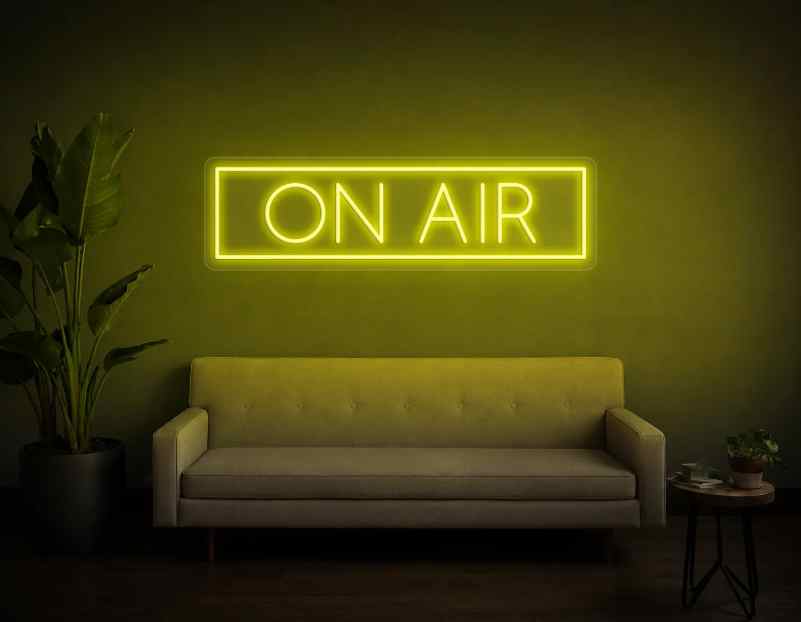
Picture this: it’s 6pm on a winter evening in Melbourne, the sun set an hour ago, and your unlit shopfront has effectively disappeared from the street. Illuminated signs Melbourne businesses invest in solve this exact problem. They keep your brand visible, credible, and top-of-mind 24 hours a day, regardless of the weather or the season.
In my experience working with Melbourne business owners, the mistake I see most often is treating signage lighting as a cosmetic afterthought rather than a revenue tool.
Why Do Illuminated Signs Matter So Much for Melbourne Businesses?
Melbourne’s overcast days and early winter sunsets mean a non-illuminated sign is effectively invisible for nearly half the year. That’s lost visibility during peak commuting hours, evening foot traffic, and weekend browsing.
Here’s what actually works: light doesn’t just help people see your business; it shapes how they judge it.
- A FedEx Office survey found roughly half of consumers have entered a business specifically because a sign caught their eye, with one additional well-placed sign linked to a revenue lift of around 4.75%.
- A well-lit sign signals stability. A faded or dark sign, on the other hand, quietly tells passersby the business isn’t thriving.
What’s the Real Cost of Running Illuminated Signage?
This is the objection I hear constantly: “Won’t it blow out my power bill?” Not anymore.
Modern LED signage consumes 70-80% less power than traditional fluorescent or neon lighting, which changes the ROI equation entirely. On top of that, quality LED components typically last more than 50,000 hours, years of reliable brightness, before you need to think about replacement.
Key takeaway: the running cost myth is outdated. LED technology has made illuminated signage one of the cheapest ongoing marketing expenses a Melbourne business can carry.
Where Should You Place Illuminated Signs for Maximum Impact?
Location dictates everything about your sign choice.
- Busy arterials (Punt Road, Nepean Highway): you need larger, brighter signage that reads from a moving vehicle at speed.
- Pedestrian strips (Chapel Street, Sydney Road, Brunswick Street): Smaller, eye-level illuminated signs perform best because shoppers view them up close.You
- Heritage zones: Check with your council early. The City of Melbourne applies stricter brightness and size rules here than in growth corridors.
What Should You Check Before You Commission a Sign?
Before signing off on a design, confirm three things:
- Council permit requirements: Most permanent illuminated signage needs planning approval, and rules vary by municipality.
- Viewing distance: Pedestrian-only frontages need less scale than mixed pedestrian-and-traffic locations.
- Lighting method: Front-lit, backlit, or halo-lit each create a different look and cost profile, so decide this before locking in materials.
The Bottom Line
An illuminated sign is one of the few marketing assets that works around the clock without a recurring ad spend, it’s a one-time investment that keeps paying off in foot traffic and brand recall. If your shopfront currently goes dark at dusk, that’s revenue quietly walking past your door every evening.
Ready to stop losing customers to a dark shopfront? Talk to a Melbourne signage specialist about which illuminated option fits your location, budget, and council requirements before the next lockdown-dark winter evening costs you another sale.