
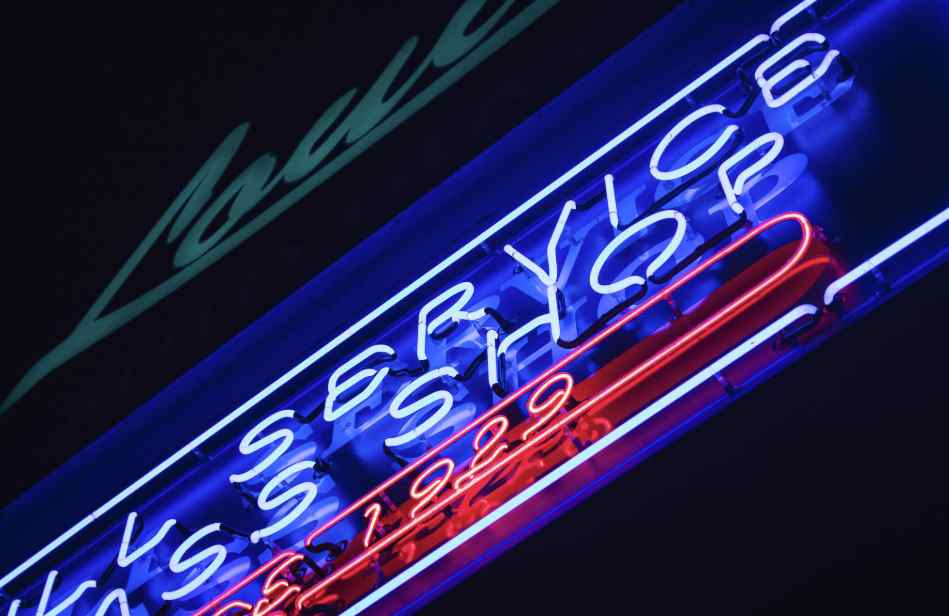
If you want unmatched glow, artistic craftsmanship, and vintage credibility, here’s the bottom line: Neon Glass Signs deliver a depth and warmth that LED alternatives simply can’t replicate.
They’re handcrafted, gas-filled glass tubes that produce a continuous, radiant light—making them ideal for brands that value authenticity and visual impact. In my experience working with retail owners and hospitality decision makers, true neon creates an emotional response that modern lighting struggles to match.
Longevity plus artistry makes neon glass a serious long-term branding asset.
What Are Neon Glass Signs (And How Do They Work)?
Neon Glass Signs are made from hand-bent glass tubes filled with inert gases like neon or argon.
When electrified:
- The gas emits a vibrant glow
- Different gases create different colors
- Phosphor coatings expand color options
This isn’t printed lighting or plastic tubing. It’s artisan craftsmanship.
The mistake I see most often is businesses assuming all “neon” signs are the same. True neon is individually bent and processed by skilled fabricators. That human touch matters.
Why Do Brands Still Choose Neon Glass Signs?
1. Unmatched Visual Depth
LED can mimic neon—but it doesn’t replicate the same:
- 360-degree light emission
- Warm glow diffusion
- Classic flicker character
In my experience, high-end bars, theaters, and boutique retailers choose glass neon because it feels authentic, not manufactured.
2. Premium Brand Positioning
Neon Glass Signs signal:
- Heritage
- Craftsmanship
- Permanence
Here is what actually works: If your brand leans into nostalgia, luxury, or artistry, authentic neon reinforces that positioning instantly.
3. Longevity When Properly Maintained
With correct installation and transformer pairing, neon signs can operate for a decade or more.
Key maintenance factors:
- Stable voltage supply
- Indoor or weather-protected placement
- Periodic transformer inspection
Decision makers who treat neon as infrastructure—not décor—see the greatest return.
Are There Drawbacks to Consider?
You need the full picture before investing.
- Higher Initial Cost: Neon Glass Signs are handcrafted, so pricing reflects labor and expertise.
- Fragility: Glass tubing is breakable. In high-traffic areas, protective mounting or placement above reach is critical.
- Energy Use: Neon uses more electricity than LED. However, for many businesses, the branding impact outweighs the energy difference.
Where Do Neon Glass Signs Deliver Maximum ROI?
- Hospitality (Bars, Restaurants, Hotels): Neon creates atmosphere. It becomes a visual anchor and social media backdrop.
- Retail Storefronts: True neon cuts through urban noise and attracts foot traffic—especially at night.
- Entertainment Venues: Theaters and music venues rely on neon’s timeless aesthetic to convey excitement and legacy.
In my experience, businesses that rely heavily on ambiance and experiential branding benefit most from glass neon.
How Do You Choose the Right Neon Glass Sign?
Before commissioning, consider:
- Design complexity – Intricate bends require skilled artisans.
- Mounting surface – Brick, glass, and drywall require different supports.
- Electrical access – Plan transformer placement early.
- Vendor experience – Ask to see portfolio work.
The mistake I see most often is prioritizing price over craftsmanship. Poorly processed glass leads to uneven glow and early failure.
Final Verdict
If your goal is premium branding, timeless appeal, and artistic authenticity, Neon Glass Signs remain unmatched.
They’re not just lighting fixtures—they’re statements.
Before moving forward, consult a professional neon fabricator, review past installations, and align the design with your brand identity.
Because when you choose true neon, you’re not following a trend—you’re investing in a legacy look that never fades.